We provide wide range of services
Call: 0525215260 | WhatsApp: 0525215260
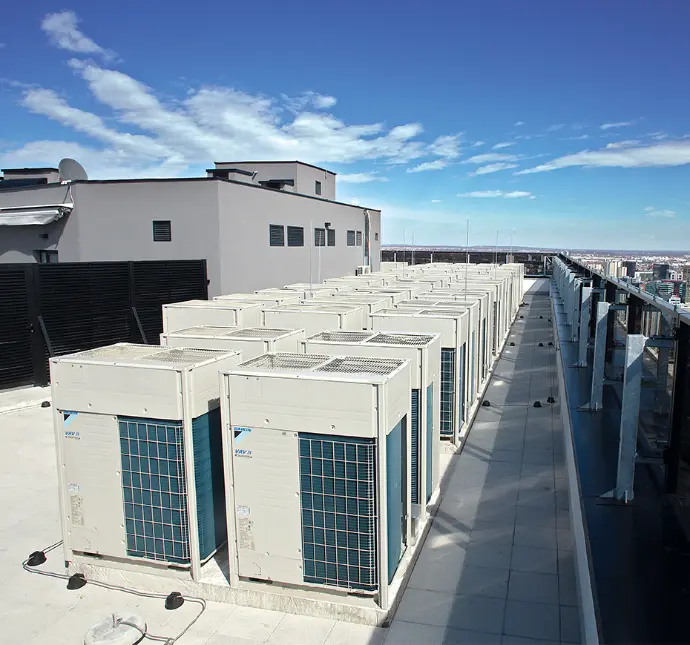
Understanding HVAC VRF and VRV Systems: The Future of Energy-Efficient Climate Control
What are VRF and VRV Systems?
Variable Refrigerant Flow (VRF) and Variable Refrigerant Volume (VRV) systems are advanced HVAC technologies designed to provide efficient heating and cooling solutions for commercial and residential buildings. Both systems utilize refrigerant as the cooling and heating medium, allowing for precise temperature control and energy efficiency.
Key Features of VRF/VRV Systems
- **Energy Efficiency**: VRF/VRV systems are known for their high energy efficiency ratings. They can significantly reduce energy consumption compared to traditional HVAC systems, making them an environmentally friendly choice.
- **Zoning Capabilities**: These systems allow for individual temperature control in different zones or rooms, enhancing comfort and reducing energy waste.
- **Flexible Installation**: VRF/VRV systems offer flexible installation options, making them suitable for various building types, including high-rise buildings, hotels, and residential complexes.
- **Quiet Operation**: The design of VRF/VRV systems minimizes noise, providing a comfortable indoor environment without disruptive sounds.
Benefits of VRF/VRV Systems
1. Cost Savings
Investing in a VRF/VRV system can lead to significant cost savings over time. Their energy-efficient operation reduces utility bills, and the ability to control temperatures in different zones means that energy is not wasted on unoccupied spaces.
2. Enhanced Comfort
With the ability to customize temperatures in individual zones, occupants can enjoy personalized comfort. This is particularly beneficial in commercial settings where different areas may have varying heating and cooling needs.
3. Environmentally Friendly
VRF/VRV systems use advanced technology to minimize energy consumption, which in turn reduces greenhouse gas emissions. Many systems also utilize eco-friendly refrigerants, further contributing to environmental sustainability.
How VRF/VRV Systems Work
VRF/VRV systems operate by circulating refrigerant between an outdoor unit and multiple indoor units. The outdoor unit adjusts the flow of refrigerant based on the heating or cooling demand of each indoor unit. This allows for simultaneous heating and cooling in different zones, maximizing efficiency and comfort.
Components of a VRF/VRV System
- **Outdoor Unit**: The heart of the system, responsible for heat exchange with the outside environment.
- **Indoor Units**: These can be wall-mounted, ceiling-mounted, or ducted, providing flexibility in design and installation.
- **Refrigerant Piping**: Connects the outdoor unit to the indoor units, allowing for efficient refrigerant flow.
- **Control System**: Advanced controls enable precise temperature management and system monitoring.
Choosing the Right VRF/VRV System
When selecting a VRF/VRV system, consider the following factors:
- **Building Size and Layout**: Assess the size and layout of your building to determine the appropriate system capacity and configuration.
- **Energy Efficiency Ratings**: Look for systems with high SEER (Seasonal Energy Efficiency Ratio) and EER (Energy Efficiency Ratio) ratings.
- **Reputable Brands**: Choose systems from reputable manufacturers known for quality and reliability.
Conclusion
In conclusion, HVAC VRF and VRV systems represent a significant advancement in climate control technology. Their energy efficiency, zoning capabilities, and quiet operation make them an ideal choice for modern buildings. By investing in a VRF/VRV system, you can enhance comfort, reduce energy costs, and contribute to a more sustainable future.
Call to Action
If you’re considering upgrading your HVAC system to a VRF/VRV solution, contact our team of experts today for a consultation. We can help you choose the right system tailored to your specific needs and ensure a seamless installation process.